

Internal workflows with unique requirements
Home / Custom applicationsCustom applications
Turn a specific workflow or product idea into useful software.
Purpose-built portals, dashboards and applications shaped around the way your team and customers actually work.
/Capabilities
Product definition, interface design and engineering in one line, so the first release solves the real workflow rather than a guess at it.
- A$2,500 starting budget
- 2–4 weeks typical build
- 200+ projects delivered
- 180+ reviews
Why businesses usually call
Off-the-shelf tools force the team into awkward workarounds, or a product opportunity needs an experience existing software cannot provide.
What should change
A focused first release designed around the critical user journey, real data and the decisions the product must support.
01One source of truth02Clear ownership03Less operational friction
Clear signs this work may be useful.
Customer portals and self-service tools
Product ideas needing a credible first release
Teams replacing fragile spreadsheet systems
One visible path from the problem to a working first release.
Define the product boundary and users
Week 1Who this is for, what the first version must do, and — just as important — what it deliberately will not do yet.
Prototype the critical journey
Week 2–4A clickable high-fidelity prototype settles the product logic before any engineering budget is spent.
Build the first production release
Week 5–10Real data, secure accounts and roles, integrations and the operational controls the team needs.
Test, launch and prioritise the next version
Week 11–12QA, deployment and documentation, then a ranked list of what real usage says to build next.
Typical deliverables
Product definitionInterface designApplication engineeringDeployment and documentation
Everything the build needs, in one scope.
Product definition
The critical journey, the data model and the decisions the software has to support.
Clickable prototype
High-fidelity and interactive, so the logic is agreed before it is expensive to change.
Interface design
Key states and edge cases designed, not just the happy path.
Application engineering
Responsive build with secure accounts, roles and real data.
Integrations and controls
Connected to the tools around it, with the operational switches the team needs.
Deployment and documentation
Repository, hosting and accounts handed over in your name.
What this looks like in practice.
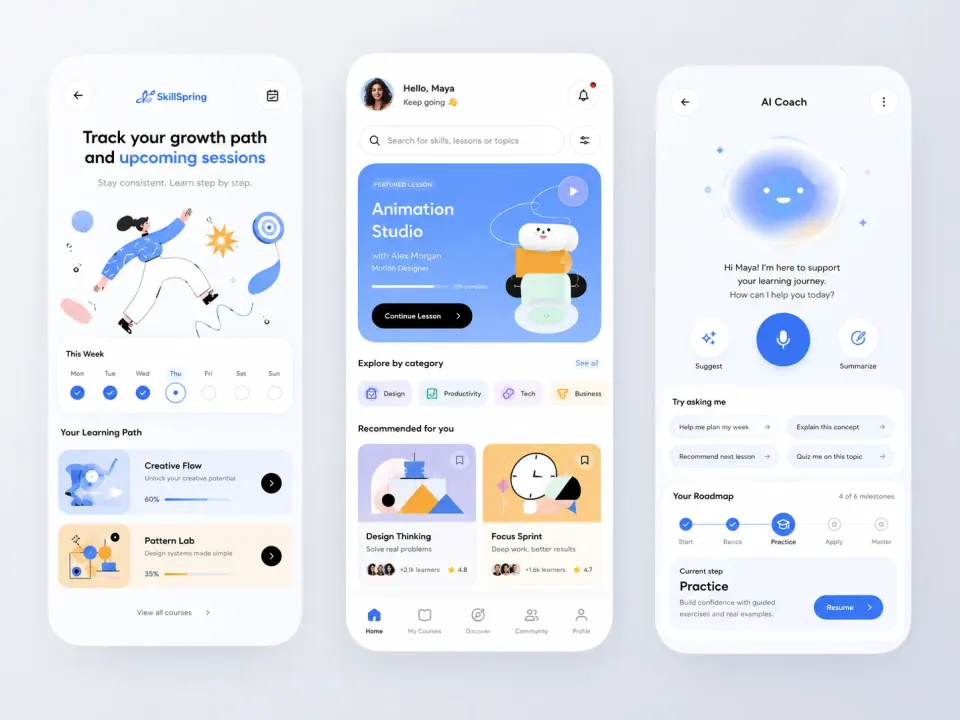
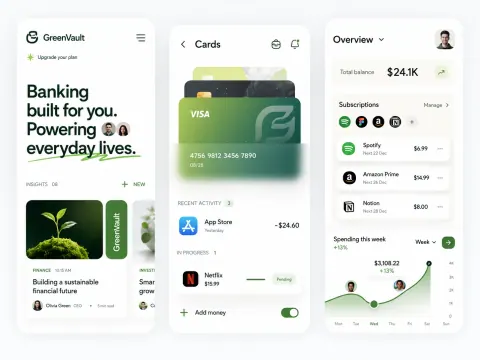
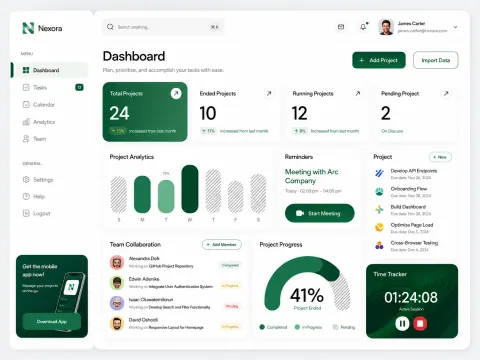
Mobile learning productSkillSpringLearning feels personal, structured and ready for the next step.Sustainable finance appGreenVaultEveryday banking feels calm, useful and distinctly human.Project delivery platformNexoraProjects, progress and team activity stay visible without the spreadsheet chase.
See the full case studies 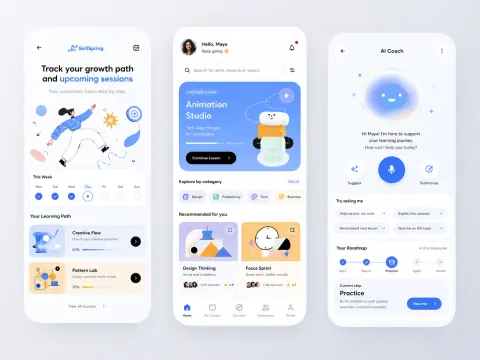
Two ways to begin, both fixed before we start.
Product prototype
A$2,500per project
Settle the journey and the product logic while changing your mind is still cheap.
- Core user journey and product logic
- Clickable high-fidelity prototype
- Key interface states and edge cases
- Production scope and build plan
Typically 2–4 weeks
Production application
A$8,000per first release
The first real release: interface, accounts, data, integrations, deployment and docs.
- Responsive application interface
- Secure accounts, roles and real data
- Integrations and operational controls
- Deployment, QA and documentation
Typically 6–12 weeks
Ansh created a custom app for our event business and was responsive throughout the project. He made the process easy to understand.

Source code, production accounts, data access, deployment notes and product decisions are made visible from the beginning.
The things people ask before starting.
When is a custom application worth it?
When off-the-shelf software forces the team into workarounds that cost real hours, or when the product idea needs an experience existing tools cannot provide. If a subscription genuinely fits, I will say so.
How much does a custom app cost?
A clickable prototype of the core journey starts at A$2,500. A production first release starts at A$8,000, covering the interface, accounts and roles, real data, integrations, deployment and documentation.
Can we start small?
That is the recommended path. The prototype settles the product logic and the critical journey before any engineering budget is committed, which is the cheapest place to change your mind.
How long does it take to build?
Two to four weeks for a prototype, six to twelve weeks for a production first release, depending on how many user roles and integrations the first version genuinely needs.
Who owns the code?
You do. The repository, hosting, accounts and deployment documentation are handed over in your name so you are never dependent on one builder to keep it running.
What happens after launch?
Most applications need a second version once real users touch them. I prioritise what actually got used, fix what got in the way, and keep the release rhythm visible.
More on getting this right.
Product · 8 min readThe smallest useful version of a custom business applicationHow to define a credible first phase without creating a disposable prototype.Read the article Product · 9 min readWhen a custom application is better than another subscriptionA practical way to compare process fit, long-term ownership, integration effort and operational risk.Read the article