

Growing teams using disconnected spreadsheets
Home / Connected operationsConnected operations
Give the team one dependable place to understand the business.
A calm operating layer that connects customers, work, money, reporting and the tools you already pay for.
/Capabilities
Customer records, live work, finance and reporting connected into one operating view, so the same number means the same thing everywhere.
- A$4,500 starting budget
- 4–8 weeks typical build
- 200+ projects delivered
- 180+ reviews
Why businesses usually call
Customer, work, finance and reporting information live in separate tools, creating duplicate entry and unreliable operational visibility.
What should change
A connected operating system shaped around the real workflow, with clear ownership, reporting and next actions.
01Connected information02Reliable handoffs03Useful reporting
Clear signs this work may be useful.
Businesses with repeated operational hand-offs
Leaders without dependable live reporting
Teams outgrowing generic software
One visible path from the problem to a working first release.
Map customers, work and information flow
Week 1–2Where records are created, who changes them and which hand-offs quietly depend on somebody remembering.
Define the smallest useful operating view
Week 2The one screen the team would actually open each morning, rather than mapping the whole business first.
Connect records, actions and reporting
Week 3–6Customers, work, finance and reporting joined so the same number means the same thing everywhere.
Launch with roles, documentation and support
Week 7–8Roles and permissions set, the team trained on the real workflow, and the environment documented.
Typical deliverables
Systems mappingCRM and finance integrationsOperations dashboardsRules and audit trails
Everything the build needs, in one scope.
Systems and data mapping
Where information is created, duplicated and lost across the tools you already run.
CRM and finance integrations
Xero, Microsoft 365, Google Workspace, HubSpot, Airtable and direct APIs joined where it pays off.
One operating view
A single place showing customers, work in progress, money and what needs a decision today.
Rules and audit trails
Automated hand-offs with a record of what changed, when and by whom.
Roles and permissions
People see what they need and nothing they should not, without blocking the work.
Documentation and ownership
Structures, accounts and integrations documented and registered to the business.
What this looks like in practice.
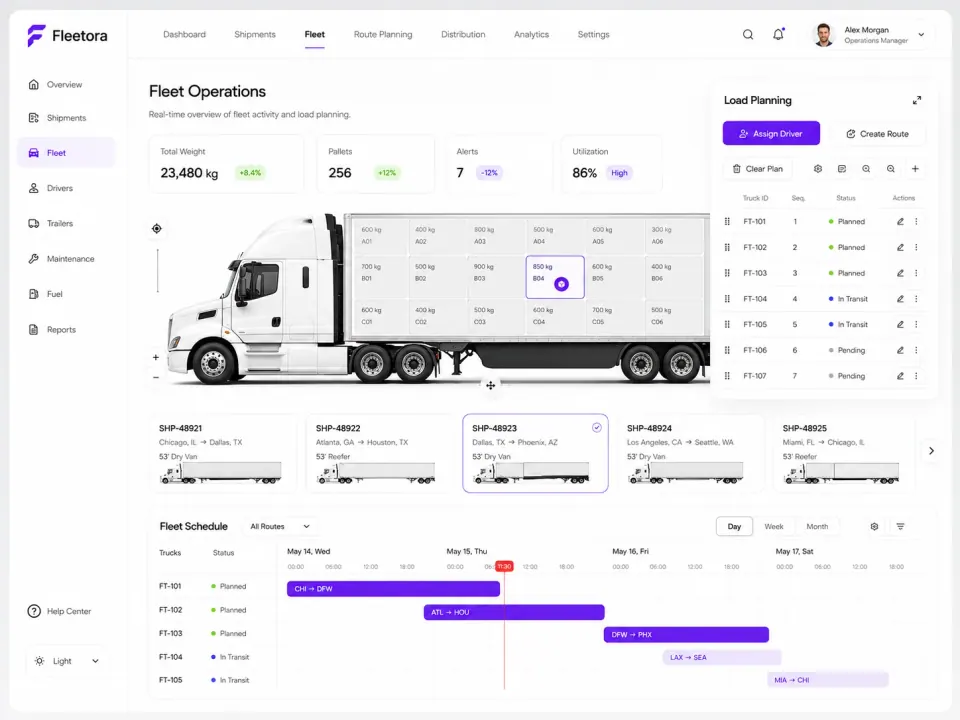
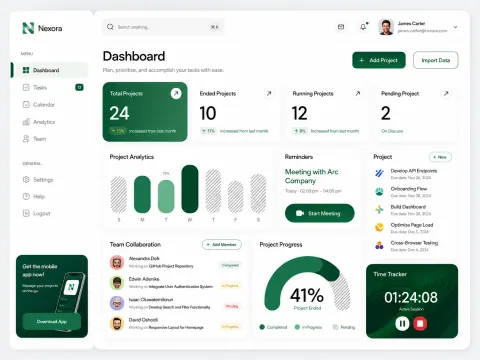
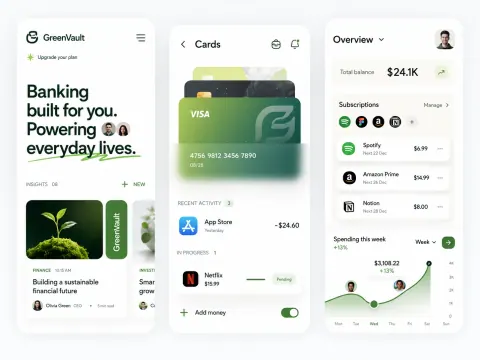
Fleet operations systemFleetoraA complex logistics operation becomes visible in one working view.Project delivery platformNexoraProjects, progress and team activity stay visible without the spreadsheet chase.Sustainable finance appGreenVaultEveryday banking feels calm, useful and distinctly human.
See the full case studies 
Two ways to begin, both fixed before we start.
Automation pilot
A$1,200per workflow
A single connected workflow, proved and measured before the wider system is scoped.
- One valuable workflow mapped
- AI or rule-based automation
- Human review and failure handling
- Measured before-and-after result
Typically 1–2 weeks
Connected operations
A$4,500per first release
The full first release: joined data, automated hand-offs, dashboards and handover.
- Customer and work data connected
- Automated hand-offs and follow-ups
- Operational dashboard and reporting
- Documentation and team handover
Typically 4–8 weeks
Ansh created a custom app for our event business and was responsive throughout the project. He made the process easy to understand.

Core data structures, accounts, roles, integrations and operating documentation stay accessible to the business.
The things people ask before starting.
What is a connected business system?
One place where customers, work in progress, money and reporting agree with each other. Instead of a CRM, a spreadsheet and an accounting tool each holding a different version of the truth, the records connect and the hand-offs happen automatically.
How much does it cost?
A first connected release starts at A$4,500. Scope depends on how many tools need joining and how much of the reporting has to be live rather than periodic. The number is fixed before work begins.
Do we have to replace our current software?
Usually not. Most of the value comes from connecting what you already use and adding the visibility that is missing between them. Replacement only makes sense when a tool is actively fighting the workflow.
How long does it take?
Four to eight weeks for a first release. I start with the smallest useful operating view rather than mapping the entire business, so something real is running early.
What about our existing data?
Existing records are mapped and migrated as part of the build, with the duplicates and gaps surfaced rather than quietly carried across. You see what was messy before it becomes someone else’s problem.
Who controls the system afterwards?
You do. Data structures, accounts, roles, integrations and the operating documentation stay in your name and accessible to your team.
More on getting this right.
Systems · 9 min readConnecting Xero, CRM and operations without building another black boxA simple ownership model for integrations, permissions and visible business rules.Read the article Systems · 6 min readWhat makes an operations dashboard useful after launchThe small design decisions that help a team spot problems, understand priorities and act with confidence.Read the article