Connecting Xero, CRM and operations without building another black box
 Ansh PuniaIndependent AI & systems builder
A simple ownership model for integrations, permissions and visible business rules.
01Give every important record a source of truth
Customer, invoice, job and payment data should each have one authoritative home. Integrations can copy or enrich that information, but the team needs to know where corrections happen and which system wins when values disagree.
02Make business rules readable
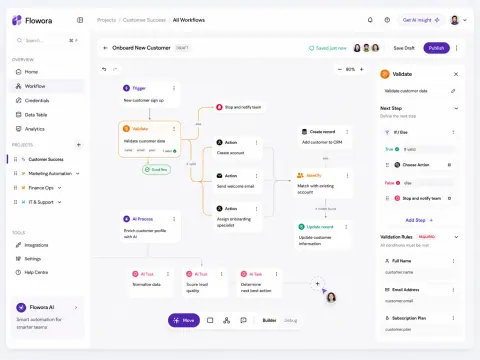
A workflow is safer when a non-developer can understand what triggers it, which conditions change the path and when a person is notified. Visible rules reduce accidental duplication and make operational changes easier to discuss.
03Plan for expired access and failed runs
Tokens expire, fields change and external services become unavailable. Monitoring, retry behaviour and a named recovery owner turn an integration from a fragile convenience into dependable infrastructure.
Before moving forward, make these visible.
- Source of truth for each record
- Readable field and status mapping
- Failure alerts and retry path
- Named account and integration owner
Connected business systems
This thinking is part of how I approach connected business system work—scoped around the business outcome, built in stages you can review, and handed over with the accounts and documentation in your name.
See how connected business system projects run