Map the decision before choosing the automation tools
 Ansh PuniaIndependent AI & systems builder
Why reliable workflows begin with inputs, exceptions and ownership—not a list of software subscriptions.
01Describe the trigger and desired decision
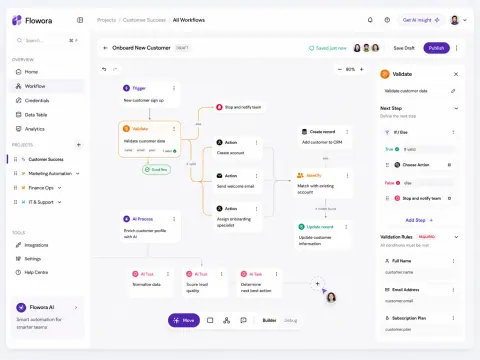
Begin with the event that starts the work, the information available at that moment and the action the business wants to take. This exposes whether the task needs a simple rule, an integration, AI assistance or no automation at all.
02List the exceptions while the process is still on paper
Missing fields, duplicates, unusual customers and approval thresholds define the real complexity. Mapping them early prevents a polished happy-path demo from becoming a fragile live workflow.
03Choose tools around ownership and recovery
A practical stack fits the existing operation, exposes its logic and can be supported by the people responsible for it. Price and feature lists matter, but so do permissions, exportability and the effort required when something fails.
Before moving forward, make these visible.
- Trigger, input and desired action
- Known exceptions
- Human decision owner
- Supportable and exportable toolset
AI automation
This thinking is part of how I approach AI automation work—scoped around the business outcome, built in stages you can review, and handed over with the accounts and documentation in your name.
See how AI automation projects run